 Cartilage
 Knees
Knees Hip
Hip Shoulder
ChondroFiller Procedure for Modern Cartilage Repair
04/03/26

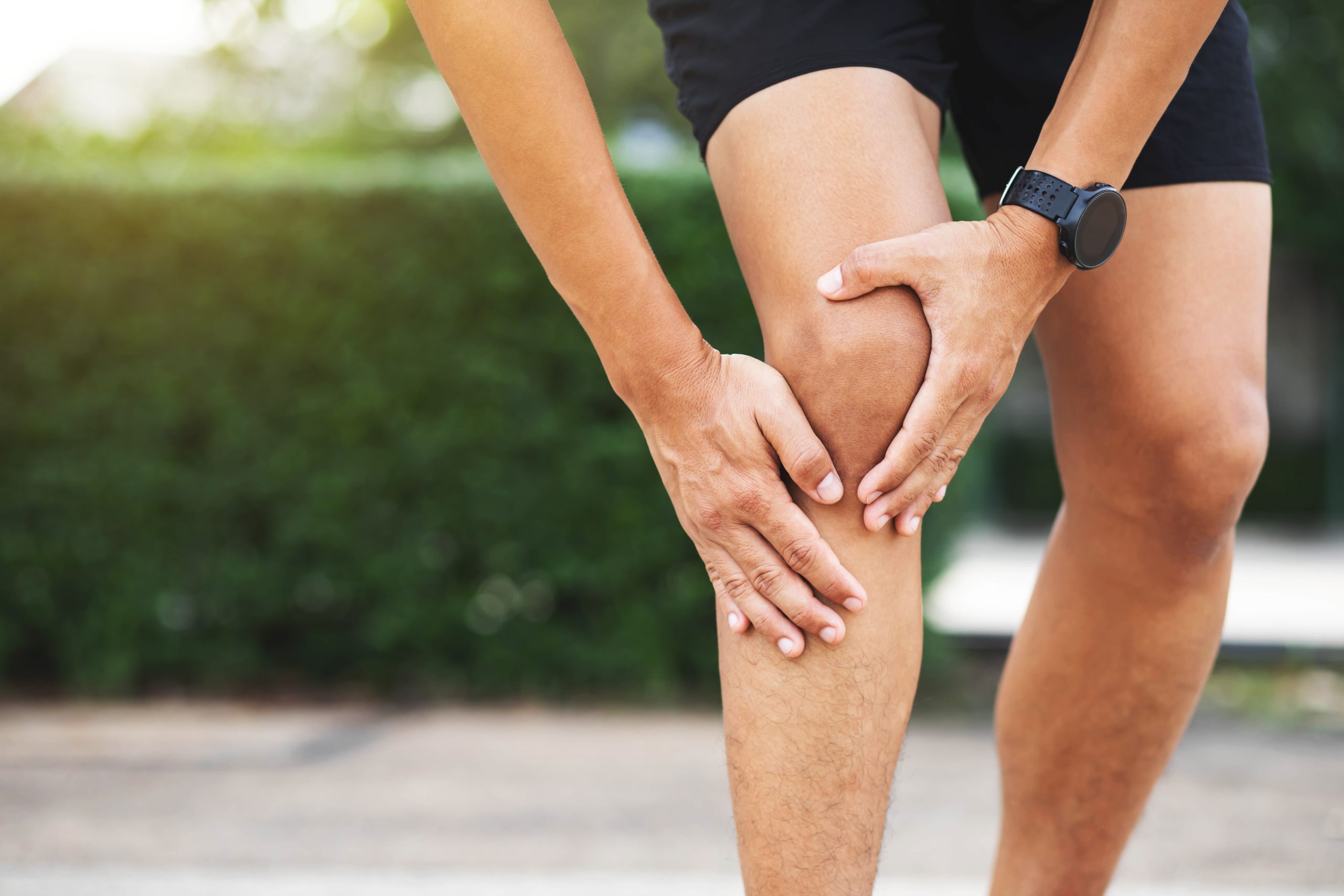
A partial tear of the anterior cruciate ligament (ACL) is a common type of knee injury that can disrupt your daily routine and cause discomfort. Unlike a complete tear—where the ligament is fully ruptured—a partial tear means that only some of the ligament fibers are damaged. This can cause varying degrees of knee instability and pain.
More people are now exploring non-surgical options to manage this injury, especially if surgery isn’t absolutely necessary. In this article, we’ll look at how the body naturally heals a partial ACL tear , what you can expect from the recovery process without surgery, and which conservative treatments can help you get back to your normal activities. We’ll also include insights from recent research to give you a well-rounded understanding.
The ACL is a key ligament inside your knee that connects the thigh bone (femur) to the shin bone (tibia). It keeps your knee stable and prevents the shin bone from moving too far forward. A partial tear means that only some of the ligament fibers are damaged, while the rest remain intact. This differs from a complete tear, where the ligament is fully torn.
Common symptoms include swelling, mild to moderate pain, a sensation of the knee “giving way,” or trouble moving your knee through its full range of motion. How the injury feels can vary from person to person, depending on how badly the ligament is damaged and how active you are. Recognizing these symptoms early can help ensure you get the right treatment.
When the ACL is partially torn, your body launches a natural repair process. Initially, inflammation sets in around the injury —this actually helps clear out damaged cells and brings in cells that promote healing.
Next, specialized cells called fibroblasts start producing collagen, which is the protein that gives ligaments their strength and flexibility. The ACL doesn’t have as much blood flow as some other tissues, so healing can be slow, but partial tears do have the potential to mend over time.
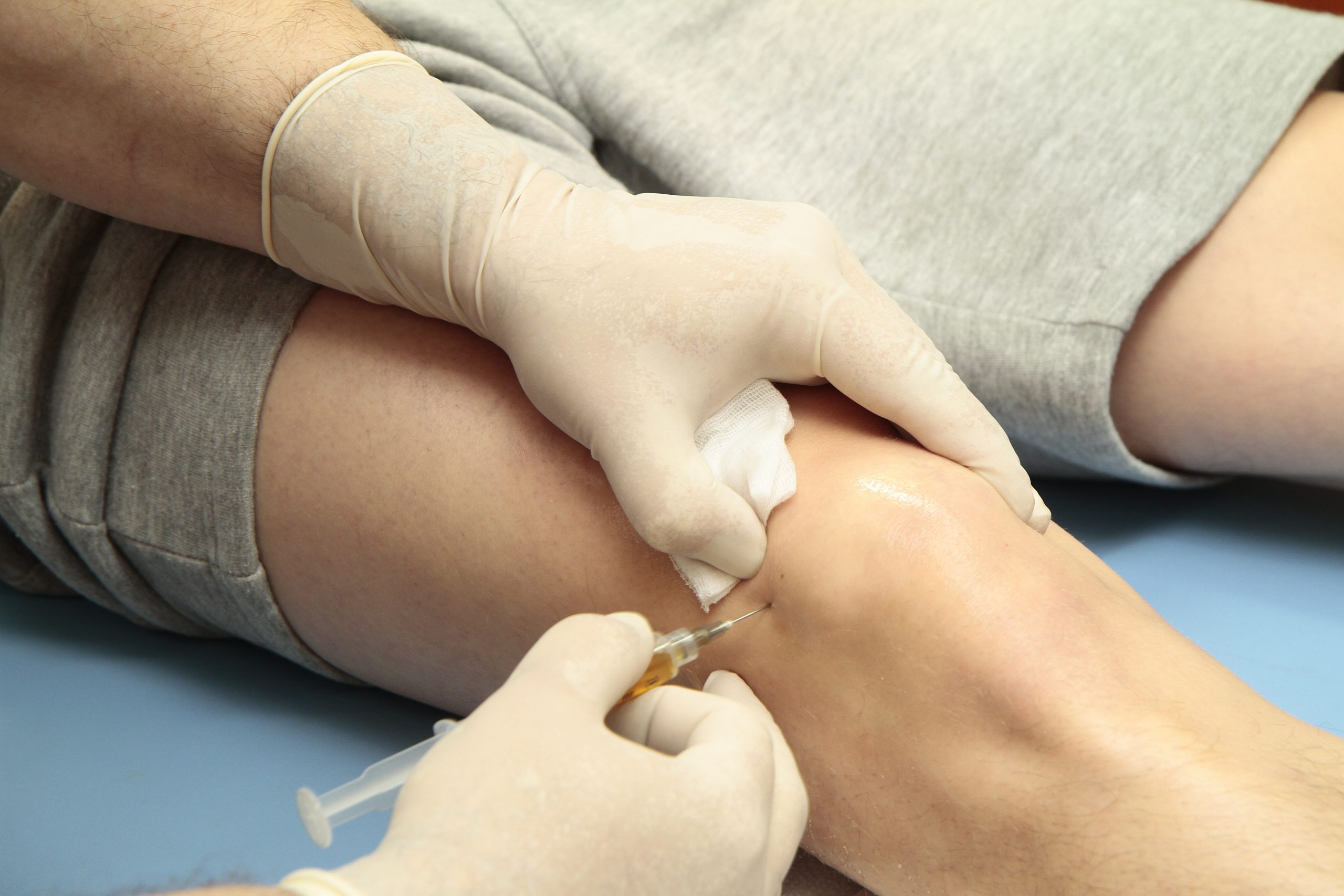
Recent studies have found that many people experience spontaneous healing from partial ACL tear s without needing surgery. Treatments like platelet-rich plasma (PRP) injections—which use components from your own blood to stimulate tissue repair—may also support the healing process. Understanding these natural repair mechanisms explains why non-surgical treatment can work well for many people.
Interestingly, research shows that most surgeons tend to support non-surgical management of partial ACL injuries that remain stable during examination, though the specific approach is tailored to each person’s situation.
Recovery from a partial ACL tear without surgery usually takes about three to six months, but this can vary widely. Several factors influence your healing timeline, including your age, level of physical activity, and the severity of your injury .
Younger people and those with moderate activity levels often recover more quickly since their bodies tend to repair tissue faster. Smaller tears generally heal faster than larger ones. Non-surgical treatments—including physiotherapy, rest, and sometimes regenerative therapies—can aid in recovery and help restore knee stability .
However, it’s important not to rush the process. Jumping back into high-impact sports or straining the knee too soon can slow down healing or even make the injury worse. That’s why following a rehabilitation plan that fits your unique needs and goals is key.
Research suggests that most healthcare professionals recommend waiting at least three to six months before returning to sports, highlighting the importance of patience and a gradual approach.
Conservative care involves protecting your knee at first, and then gradually restoring strength and mobility. In the early stages, resting and avoiding activities that make the pain or swelling worse helps prevent further injury .
A physiotherapist is likely to become your main guide during recovery, walking you through exercises designed to strengthen the muscles around your knee—especially the quads and hamstrings—which support knee stability . High-impact or twisting movements, like jumping or quick pivots, should be avoided during the early phase.
Some people benefit from using a knee brace for extra support, but many specialists now recommend focusing on activity-based rehabilitation and letting your progress guide the pace. Rehabilitation programs usually start with gentle movements for flexibility, then gradually add weight-bearing exercises and balance training. Your physiotherapist will closely monitor your progress to ensure you’re moving forward safely.
Be aware of red flags such as increased pain, swelling, or a return of instability, as these may signal that your approach needs adjustment. Taking recovery step by step and listening to your body is essential for the best outcome.
Recent studies show flexibility in conservative care: most practitioners do not restrict weight-bearing after a partial ACL injury , and many do not see a knee brace as necessary. The focus is increasingly on individualized, movement -based rehabilitation.
In summary, many people recover well from a partial ACL tear without surgery by understanding their body’s natural healing process and following a carefully planned rehabilitation program. Recovery time varies, but with the right approach, you can safely restore strength and stability to your knee.
Conservative treatments like physiotherapy and regenerative therapies can help you get back to the activities you love while avoiding the risks of surgery. Ongoing research keeps improving our ability to guide healing and educate patients.
With an informed and personalized approach, you can take charge of your recovery and support long-term knee health.
Buda, R., Ruffilli, A., Parma, A., Pagliazzi, G., Luciani, D., Ramponi, L., Castagnini, F., & Giannini, S. (2013). Partial ACL Tears: Anatomic Reconstruction Versus Nonanatomic Augmentation Surgery. Orthopedics, 36(9).
Li, B., Bai, L., Fu, Y., Wang, G., He, M., & Wang, J. (2012). Effect of timing of surgery in partially injured ACLs. Orthopedics, 35(5), 408-412.
Frey, C. S., Pierre, K., Pham, N. S., Abrams, G. D., Sherman, S. L., Spalding, T., & Safran, M. R. (2025). Management of Isolated Partial ACL Tears: A Survey of International ACL Surgeons. Orthopaedic Journal of Sports Medicine, 13(2). https://doi.org/10.1177/23259671241311603
London Cartilage Clinic stands out for its evidence-based approach, utilising advanced regenerative therapies and rehabilitation. Professor Lee, with extensive experience in knee ligament injuries, ensures your treatment plan is individually tailored, helping patients explore the latest non-surgical options for partial ACL tears with confidence and expert guidance.
Professor Lee is a highly respected specialist with years of experience treating complex knee injuries. His deep understanding of ligament healing and advanced use of platelet-rich plasma (PRP) and rehabilitation means patients benefit from tailored, science-backed care. Many patients find reassurance in his personalised approach and thorough monitoring throughout recovery.
Many people with partial ACL tears recover well using non-surgical treatments, especially when guided by a specialist like Professor Lee at London Cartilage Clinic. Individualised rehabilitation, innovative therapies like PRP injections, and close expert supervision can support healing and restore function, enabling patients to return to their preferred activities safely.
London Cartilage Clinic offers comprehensive non-surgical management, including physiotherapist-led rehabilitation, activity modification advice, and regenerative medicine treatments like PRP injections. Professor Lee’s team monitors progress closely and adjusts your plan as needed, providing informed support throughout each stage of recovery for optimal stability and confidence.
Every knee injury and patient is unique. Personalised rehabilitation, as offered by Professor Lee at London Cartilage Clinic, takes into account your specific goals, fitness level, and injury severity. This approach helps maximise your chances of regaining knee strength and stability while minimising risks, all under expert medical supervision.
All our treatments are selected to help patients achieve the best possible outcomes and return to the quality of life they deserve. Get in touch if you have any questions.
At London Cartilage Clinic, we are constantly staying up-to-date on the latest treatment options for knee injuries and ongoing knee health issues. As a result, our patients have access to the best equipment, techniques, and expertise in the field, whether it’s for cartilage repair, regeneration, or replacement.
For the best in patient care and cartilage knowledge, contact London Cartilage Clinic today.
At London Cartilage Clinic, our team has spent years gaining an in-depth understanding of human biology and the skills necessary to provide a wide range of cartilage treatments. It’s our mission to administer comprehensive care through innovative solutions targeted at key areas, including cartilage injuries. During an initial consultation, one of our medical professionals will establish which path forward is best for you.
Contact us if you have any questions about the various treatment methods on offer.
Legal & Medical Disclaimer
This article is written by an independent contributor and reflects their own views and experience, not necessarily those of londoncartilage.com. It is provided for general information and education only and does not constitute medical advice, diagnosis, or treatment.
Always seek personalised advice from a qualified healthcare professional before making decisions about your health. londoncartilage.com accepts no responsibility for errors, omissions, third-party content, or any loss, damage, or injury arising from reliance on this material. If you believe this article contains inaccurate or infringing content, please contact us at [email protected].